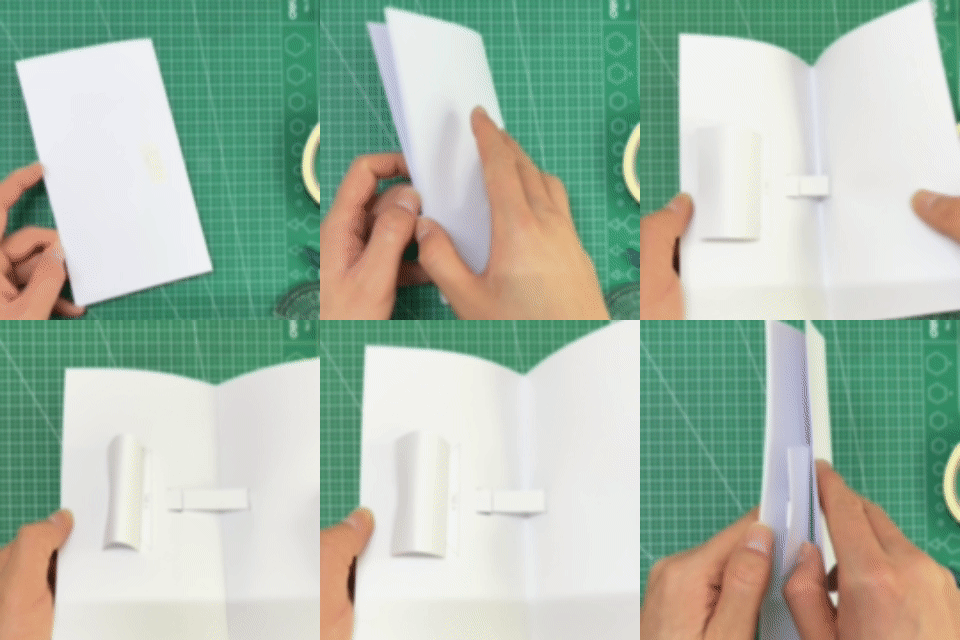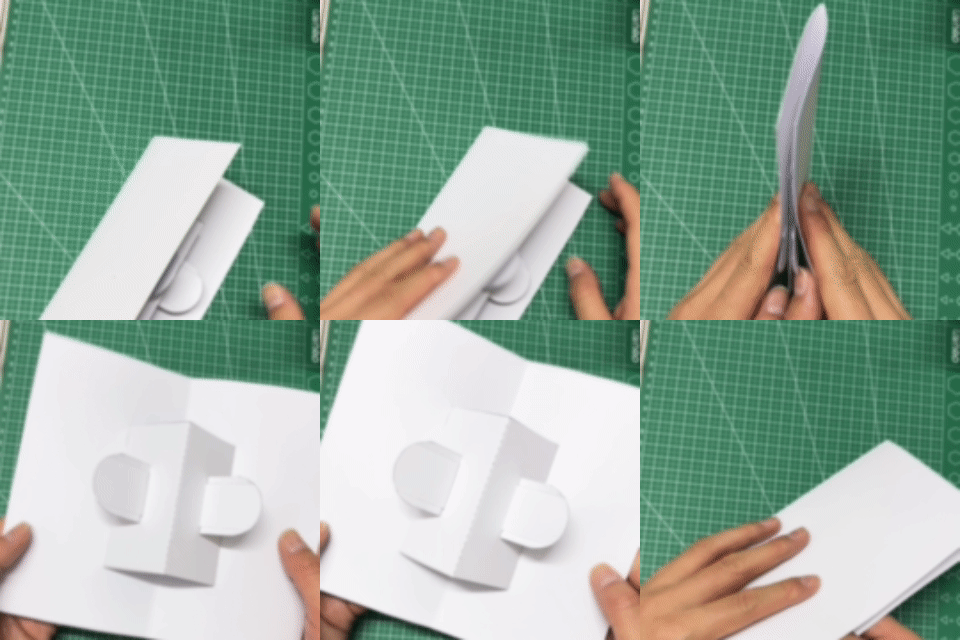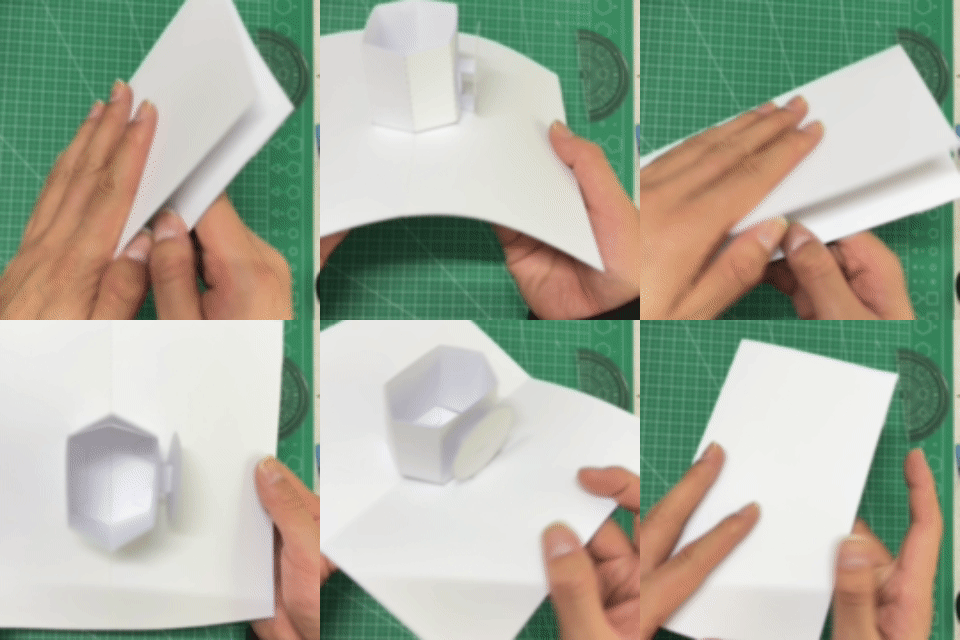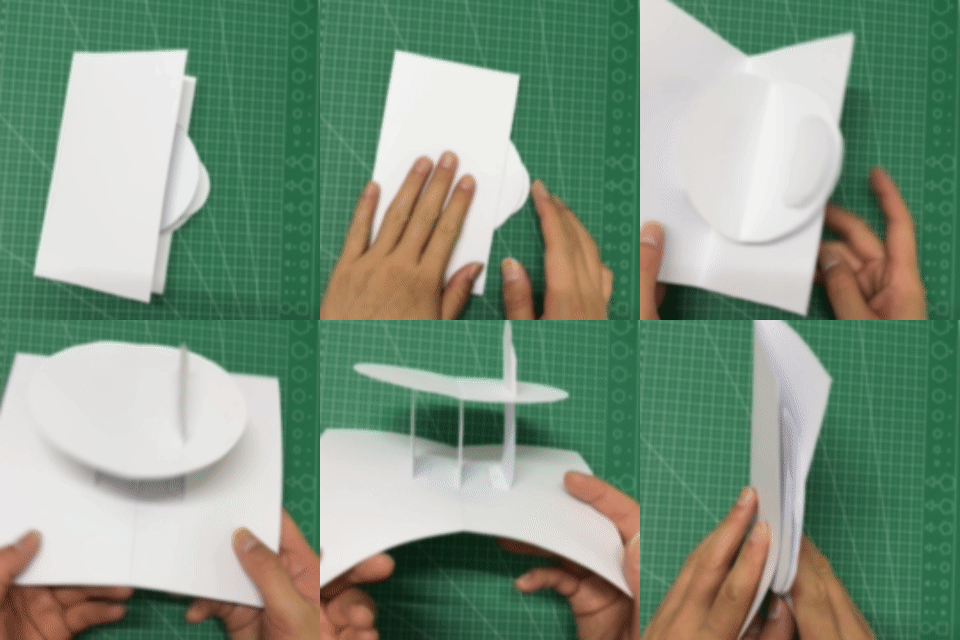
The 180 degree reinforced linkage planar mechanism is a more durable version of a movable plane pop-up structure. By adding reinforced connections to the moving parts, the mechanism can keep its motion synchronized while reducing the risk of loosened joints, shifting panels, or torn connection points after repeated opening and closing.
This makes the structure especially useful for pop-up books, display projects, and other paper-engineering designs that need both dynamic motion and long-term stability. With the right connection placement and reinforcement method, it is possible to balance smooth movement with structural strength.
Mechanism Category
Primary Category: 180 Degree Structure
Structure Type: Movable Plane Mechanism
Connection Type: Reinforced Connection Structure
Performance Features: Composite Linkage / Dynamic Structure
Let's fold it together. Here are the step-by-step instructions:
Step-by-Step Guide
Step 1: Prepare the template and understand the structure
Before starting, download and print the template, then prepare the following materials:
- 250g Dutch cardstock or another rigid cardstock for structural strength
- Scissors or a craft knife
- Cutting mat to protect the work surface
- Scoring tool such as a stylus or empty ballpoint pen
- Glue or double-sided tape
Key structural idea:
This mechanism is built from two main parts:
- Movable Plane: the plane changes angle as the card opens, creating the dynamic display effect.
- Reinforced Connection: the connection area is widened or supported with reinforcement strips so the structure stays stable through repeated use.
Important note:
The goal of this mechanism is not simply to move. The real goal is to move smoothly, remain stable, and resist deformation over time.
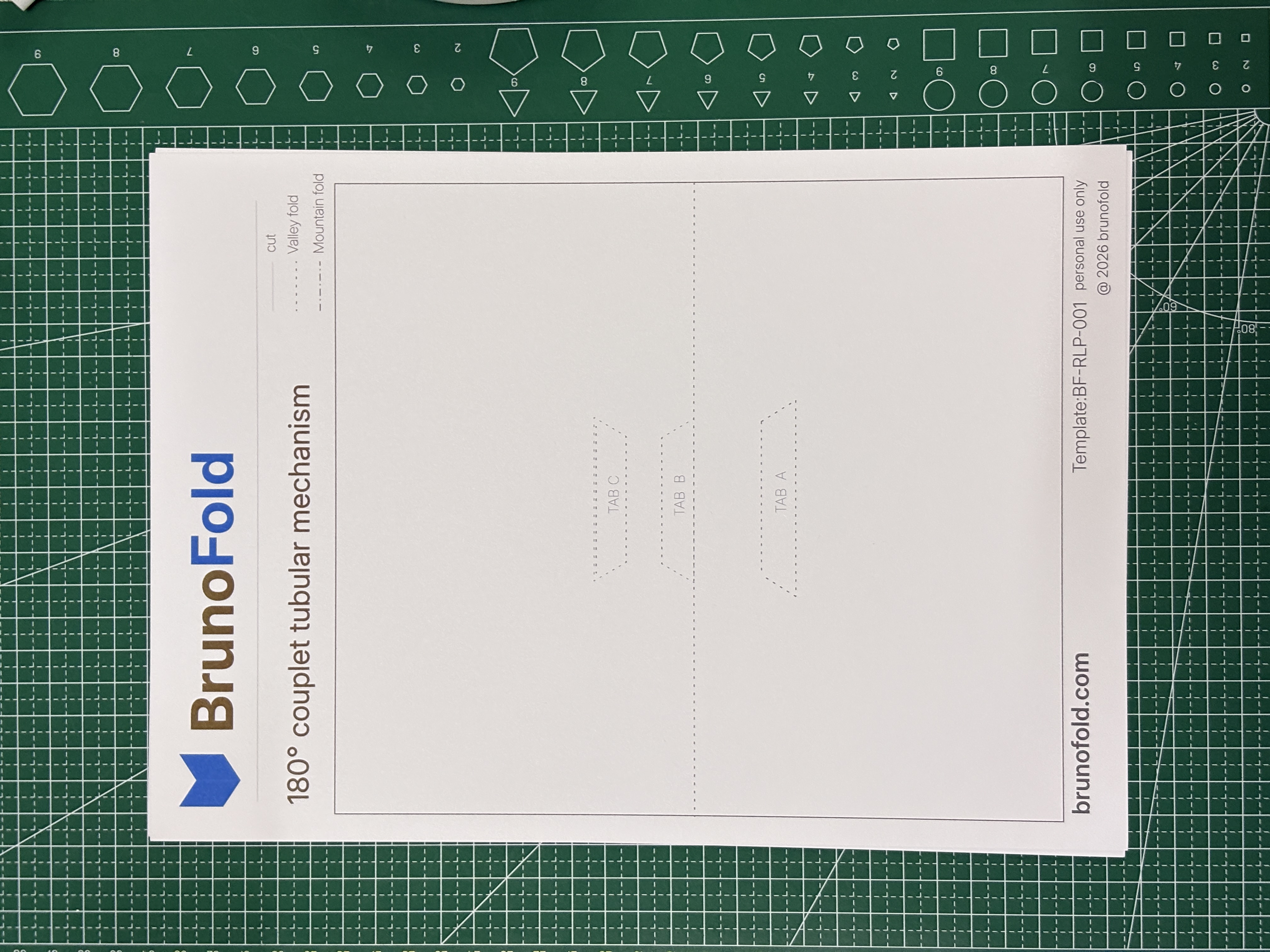
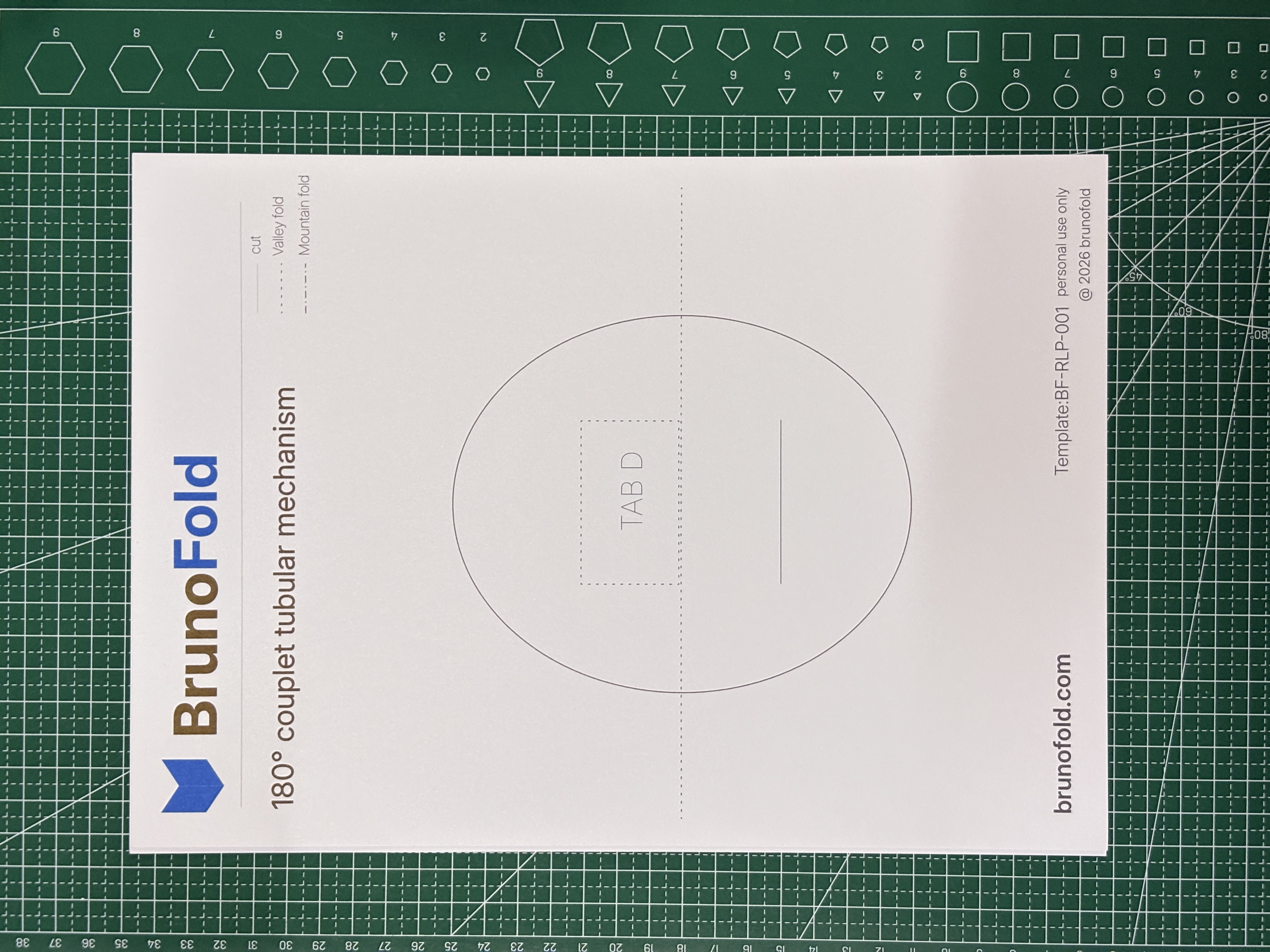
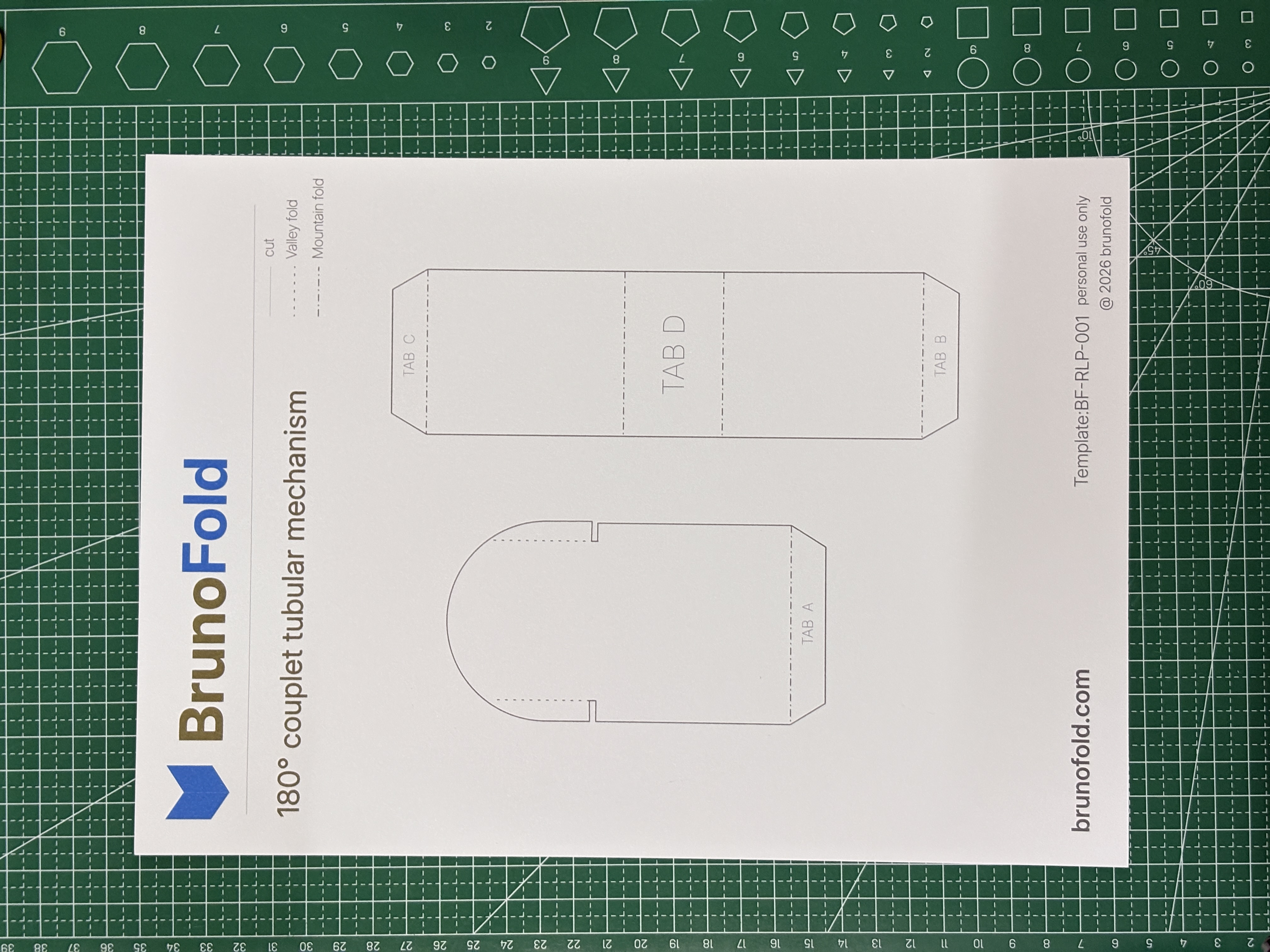
Step 2: Cut the parts and score the fold lines
- Cut every structural outline accurately.
- Cut all components along the solid lines.
- Keep the edges clean because cutting precision directly affects how well the parts align later.
- Score every fold line along the dashed lines.
- Use a scoring tool to press lightly along each dashed fold line.
- Fold only after scoring so the paper does not crack, split, or delaminate.
Recommended handling:
- Separate mountain folds and valley folds in advance.
- Score all fold lines before folding to keep the whole structure consistent.
- Pay special attention to the connection areas.
The reinforced connection zones, usually tabs or connection strips, must be scored very precisely. Otherwise the finished mechanism may develop the following problems:
- Jerky motion
- Plane misalignment
- Unsynchronized opening and closing
In this structure, small inaccuracies may not appear immediately, but they become more obvious after repeated opening cycles.
Step 3: Assemble the structure and build the reinforced connection
This is the step that determines the overall performance of the mechanism.
- Install the movable plane.
- Glue the moving plane onto the base card according to the template position.
- Keep the structure centered and symmetrical from left to right.
Checkpoints:
- Does it open naturally toward 180 degrees?
- Does one side move ahead of the other, or does the plane lean to one side?
- Build the reinforced connection, which is the core of this mechanism.
Common reinforcement methods include:
- Widening the connection tabs to increase connection area
- Using layered gluing for a double-thickness joint
- Adding a reinforcement strip
The purpose is not to make the structure tighter. The purpose is to make it:
- More stable
- More durable under repeated opening and closing
- More consistent in its motion path
- Test and adjust the motion after gluing.
Do not stop as soon as the gluing is finished. Test the structure carefully:
- Check whether the motion is smooth and whether either side lags behind.
- Check whether the structure stays stable after repeated opening and closing.
- Check whether the plane holds the intended angle without leaning or collapsing.
Note: Step 2 and Step 3 currently reuse the Chinese visuals because separate English images were not provided.
Next Article
180 Degree Tent-Supported Stable Platform Mechanism: High-Stability Structure Guide